
Member recommendations
Our member recommendations are a fantastic resource for books, food ideas, and other support aids that may help you along your journey.
If you have anything to recommend, please use the form below or let us know in the drop-in sessions.
Have a recommendation?
If you have found something useful, others will too and we’d love to hear about it!
Please fill in this form with the details, including why you like it and how to get hold of it if relevant.

Have a recommendation?
If you have found something useful, others will too and we’d love to hear about it!
Please fill in this form with the details, including why you like it and how to get hold of it if relevant.
Pea dip with fresh herbs and lemon
This is a good alternative to humus as it’s really high in protein and fibre.
It works well at breakfast to help balance blood sugar throughout the day.
It’s just as easy to make as humus. It has a different range of micronutrients so it would be a good way to add in diversity to your diet.
Convenient ‘imperfect’ breakfast ideas for getting some protein in on those chaotic mornings
When you’re feeling stressed and busy, it’s really important to get in plenty of protein in the mornings to keep energy, mood and cravings balanced, and avoid sparking inflammation.
The key is to pair up protein sources with flavours we enjoy, as when we’re feeling stressed we need extra help to stimulate digestive juices which will help me to break down the protein into a usable form.
The ideas are here as examples to help you find your own variations and to realise that things don’t have to be perfect or conventional to work.
Additional journaling prompts
A few more journaling prompts, with example answers for inspiration. These can be good for releasing pent up emotions and stress, and also for using the reflection time to start working out how to tweak your schedule and approach to the day to make life easier and more enjoyable.
Easy greens!
In the drop-in session last week, we were talking about how to get more greens into meals without spoiling them!
It’s easy to fall into the habit of eating the same few vegetables in most meals. Often these end up being mostly nightshades, which can irritate the gut a little.
Eating a wider diversity of plant foods builds immune resilience and reduces inflammation over the longer term.
So I’ve put together some recipes that contain lots of greens, but crucially are very easy to eat. The greens are prepared in ways that make them ‘disappear’ into the dishes, rather than overwhelming them.
Hopefully they can add some variety to your meals if you are looking for some new ideas.
You can find the recipes here.
Nervous system triggers
It is useful to start picking up on the patterns that are triggering our nervous systems.
Some triggers are commonly recognised, eg rushing to work when we are late.
Others are not so easily recognised, such as sensory overload from loud noises, busy environments, or switching attention frequently between tasks.
Here is a list of nervous system triggers that may help you to understand why your stress levels have built up, and possibly help you to reduce triggers, or mitigate their impact, going forward.
High protein lunch or dinner ideas
We need protein not just for building muscle, but for good detoxification and metabolic function, two areas that we tend to struggle with in autoimmunity.
Many of us are not sure how to build lots of protein into our diets without feeling like we are eating excessive amounts of meat and fish. Plant based proteins can feel unappetising.
Plant based proteins are useful though, as they contain not just protein, but also a perfect balance of other things that we need lots of: fibre varieties, healthy fats, and micronutrients.
When we protein, we need to enjoy it! There is a specific reason for this: we need to salivate to stimulate lots of stomach acid (HCl) which breaks down the protein. Without sufficient HCl levels, the protein will go undigested, causing unwanted bacteria to flourish in our gut.
So here are a couple of ways to enjoy eating two great protein sources: quinoa and beans!
How to calm your sensory system and reduce inflammation
You will have learned in Part 4 of the Plan that our nervous systems dictate the modes in which our other systems operate. Our nervous systems are the interface between us and our environments.
Our sensory system sits at the heart of our nervous system. When we are trying to calm to our nervous system, it makes sense to focus on the sensory system.
This system is often chronically overwhelmed. There is research that suggests that those of us with autoimmunity may have more sensitivity sensory systems than the average person.
I’ve attached a questionnaire that will help you work out what your sensory likes and dislikes are.
It can feel difficult to tap into this initially, but if you have two or three attempts at it, you will start to draw out information you didn’t know you had!
Over time, you can start to adapt your environment to soothe your nervous system, which will have a hugely positive effect on your inflammation levels and autoimmune health, as well as your general happiness.
Protein powder alternatives
The Indigo Herbs protein powder that I recommended in one of the videos is not available at the moment, so here are a few alternatives.
Emotional care
If you have reached the Nervous System section (Part 4), you will know how important it is to take care of our emotions. Feeling triggered all the time makes our bodies more reactive and inflamed, and directly increases our risk of autoimmune flares.
Many of us have not been taught how to manage our own emotions, and are not even aware of this gap in our ability to take care of ourselves.
Our emotions tell us what we need, so when we ignore them, we are ignoring important information.
Here are a few resources that provide easy ways of starting this journey of understanding what our emotions are telling us and how to take care of ourselves with more compassion.
Homemade soya and cashew yoghurt
Save money and make your own at home!
High protein, dairy-free, minimally processed and full of good bacteria!
Cholesterol and cardiac health
Lots of clients struggle with being told their cholesterol levels are not good, which can sometimes be a side effect of medication.
At this point in time we do not fully understand cholesterol, and many cardiac surgeons do not completely agree with the current NHS guidance.
This makes it really hard for people to understand what they should do.
Have a look at the attached information and listen to the podcast by top UK cardiac surgeon Dr Aseem Malhotra if you’d like to understand more.
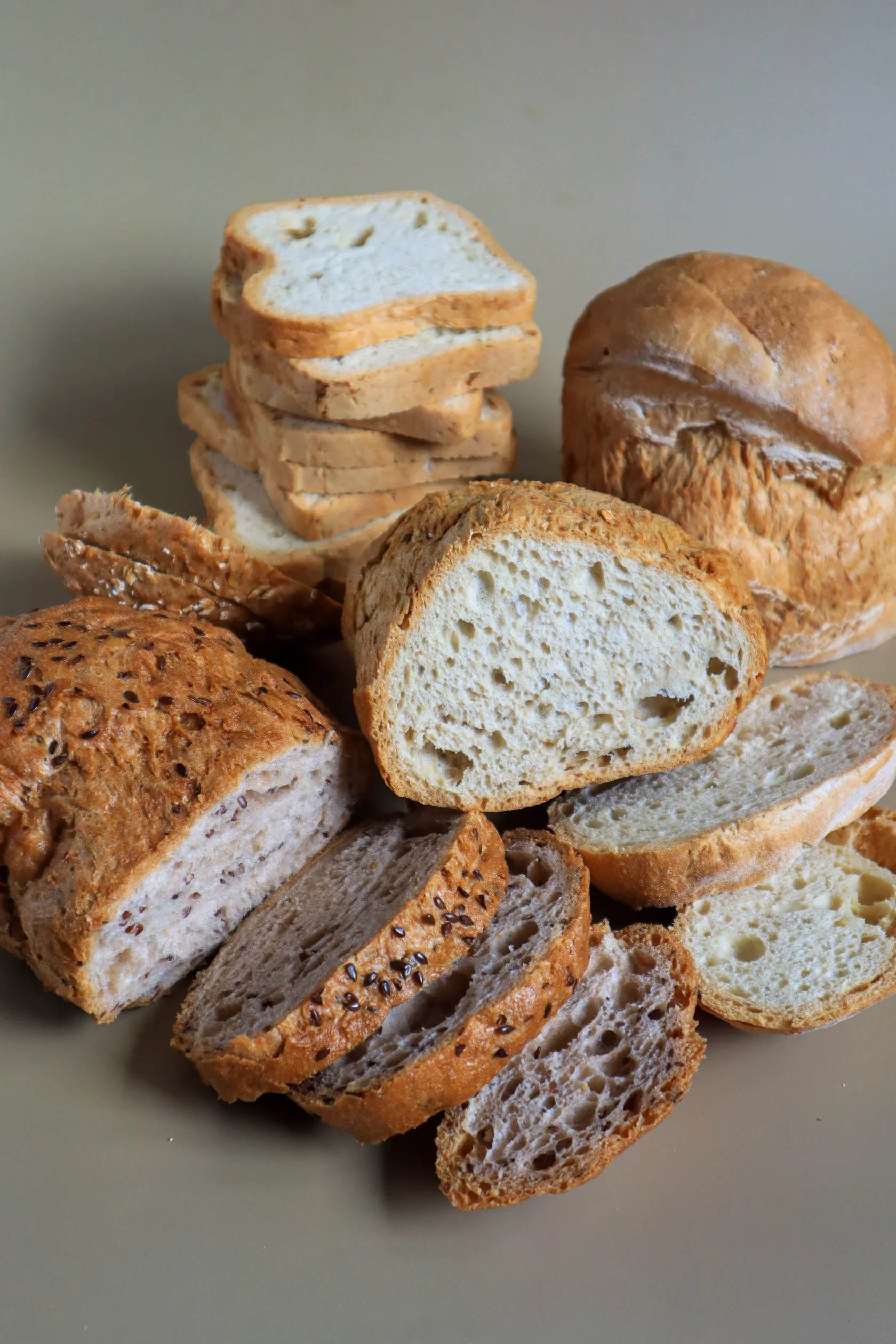
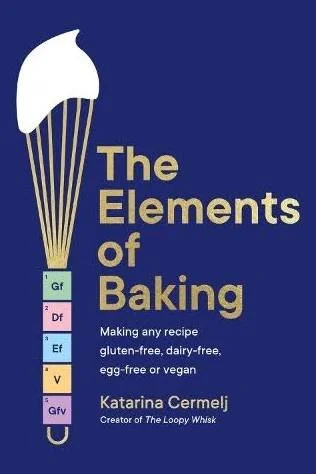
Gluten free breads
This complements the information in the Gluten videos in Module 1.
Hot drink ideas
Make your own gluten free flour blend
Here are a few ways to make a less processed gluten free flour that you can adapt to your tastes.
Using journalling to get through those low points
Journaling can be a way of creating a safe, nurturing space that can give us a break from the demands of the day and to process our thoughts and emotions.
Extra information on the quinoa and millet flake porridge
This porridge is a really easy way of getting lots of protein in the morning without too much effort.
If you are thinking of trying it, you may find these extra details on how to make it helpful.